
Whipped cream and fruit — which combinations work best for cakes
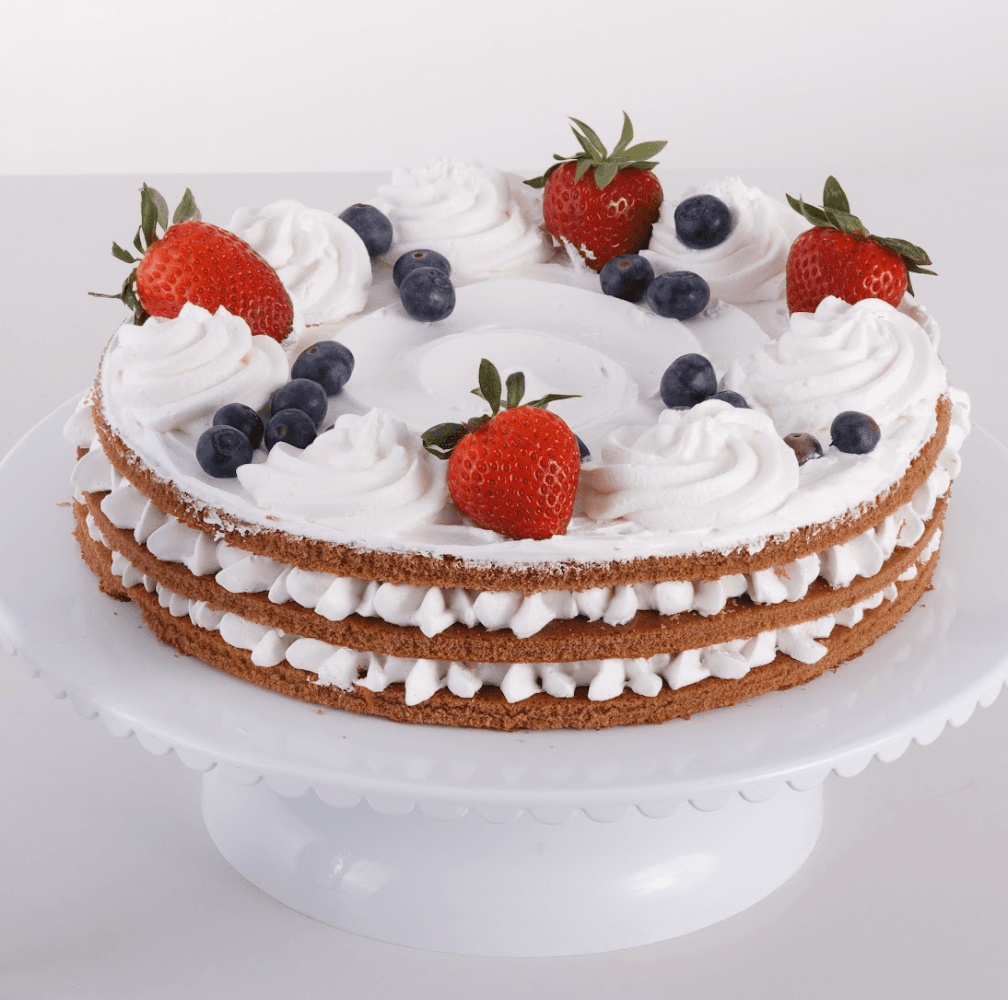
Fruit on whipped cream isn’t just decoration — some kinds need special handling so they don’t "wreck" the cake’s look or texture, and one kind can cause a real problem that has nothing to do with your whipping technique.
Berries — the safest choice
Strawberries, raspberries, and blueberries are the classic, safe choice — they release little juice, their color contrasts nicely with white cream, and they can be added just before serving without special preparation.
Banana — needs speed
Banana browns in the air within about 15 minutes. Toss the slices in lemon juice before adding them to the cake, and add it as late as possible — a banana cake is best the same day, not for keeping.
Citrus — watch the juice, not just the zest
Orange or lemon zest adds aroma without liquid and is perfectly safe. Juicy citrus segments themselves, however, release a lot of liquid that can "water down" the cream at the contact surface — pat them dry with a paper towel before adding, or use them sparingly.
Stone fruit — drain the excess juice
Peaches and apricots (fresh or canned) release a lot of liquid as they sit — drain them well and ideally pat them dry with a paper towel before arranging them on the cream.
Pineapple — the one real exception
Fresh pineapple contains the enzyme bromelain, which breaks down dairy proteins — if you put it on the cream and let the cake sit, the cream at the contact surface can turn watery and thin over the next hour or two, no matter how well you whipped it. Cooked or canned pineapple doesn’t have this problem, since heat breaks down the enzyme.
Can I use frozen fruit?
Thaw it completely and drain it well before use — frozen fruit releases considerably more liquid than fresh when it thaws, and that liquid will soak into the cream if you don’t remove it.
Read next
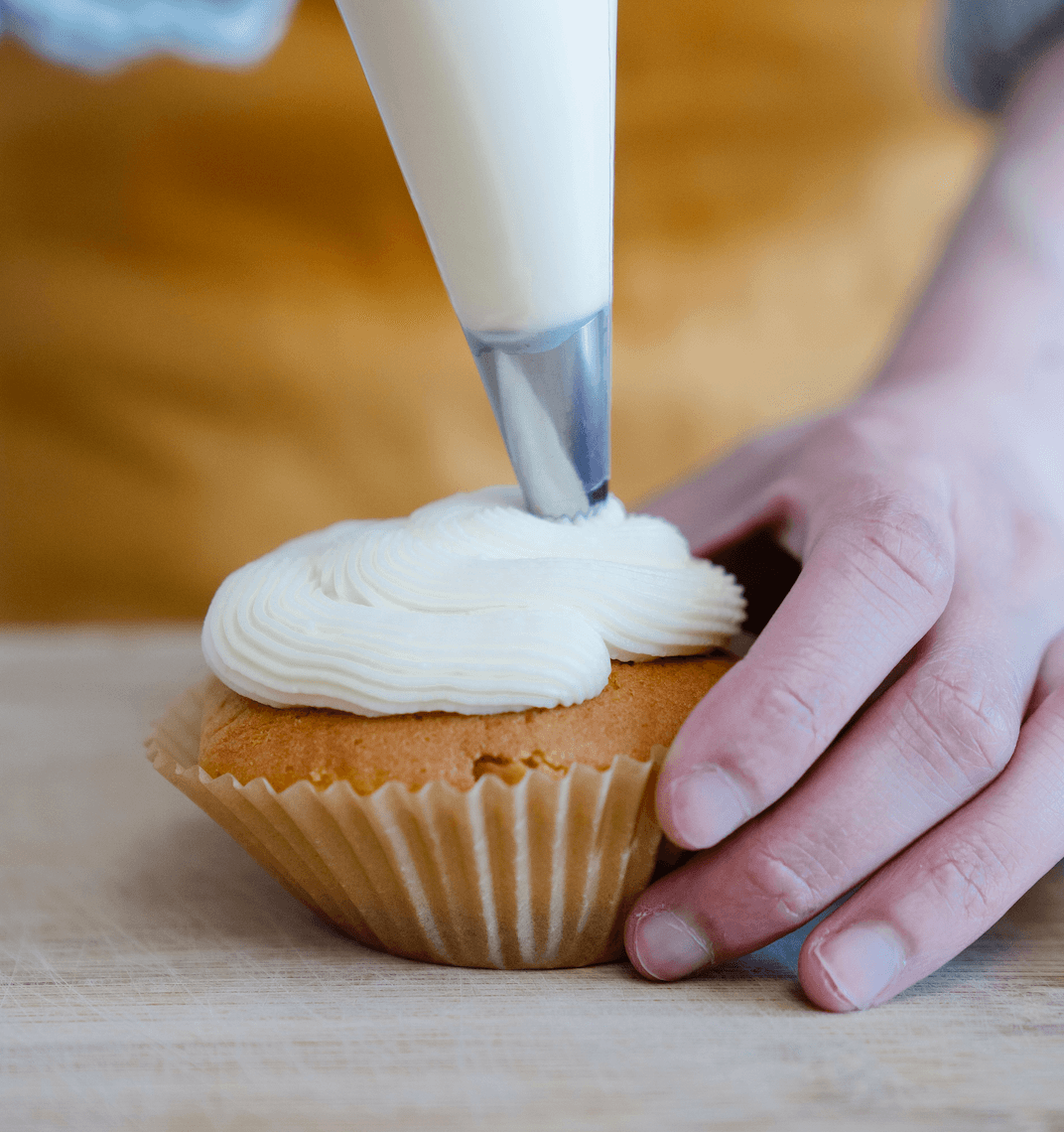
How to make stable whipped cream for cake decorating
Powder-to-liquid ratio, temperature, and whipping time — step by step to whipped cream that holds its shape on a piping bag and doesn’t weep.
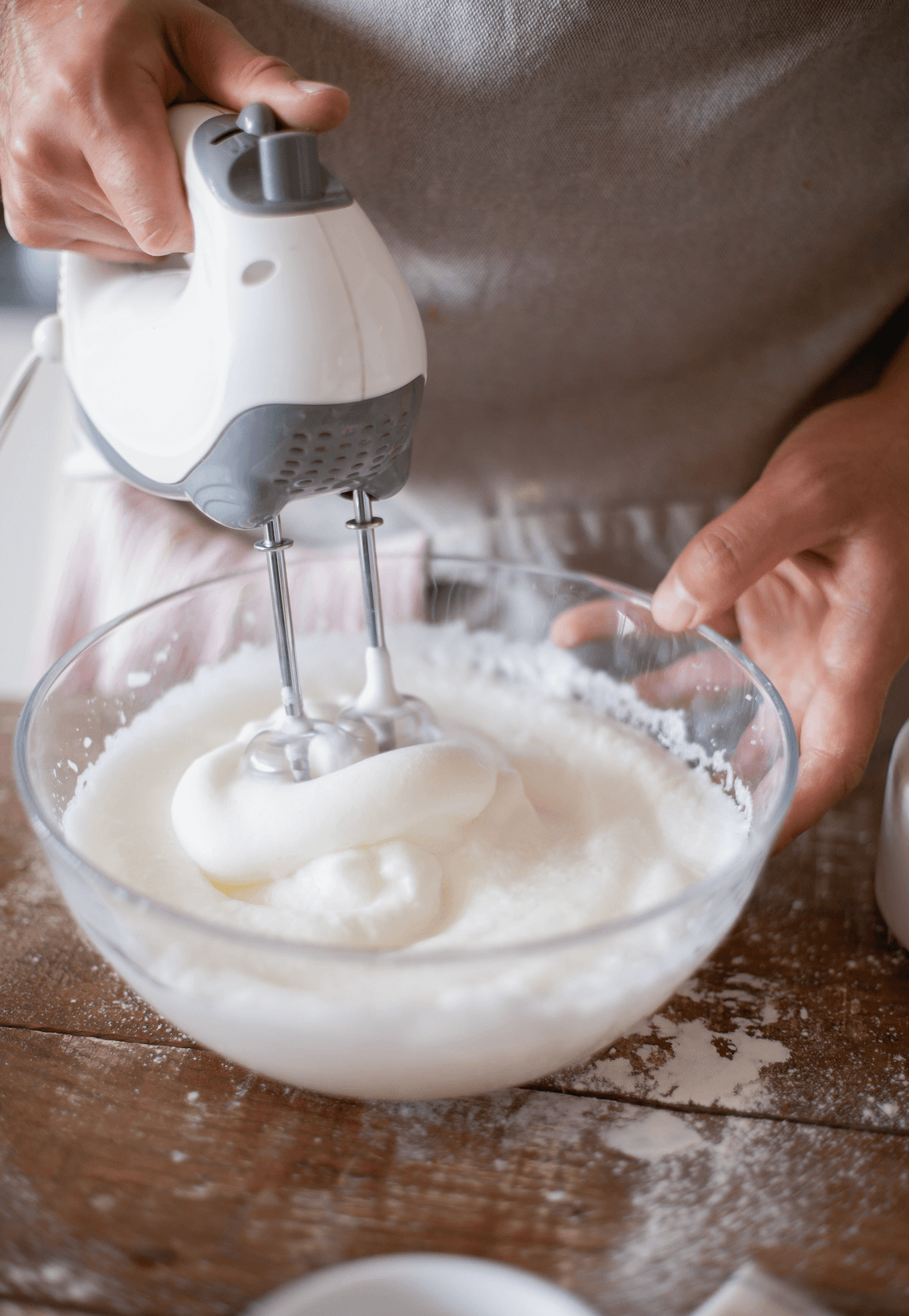
Why won’t my whipped cream set — 7 common mistakes
Whipped cream staying watery, not rising, or splitting an hour later? Here are seven common causes and how to fix them on your very next cake.
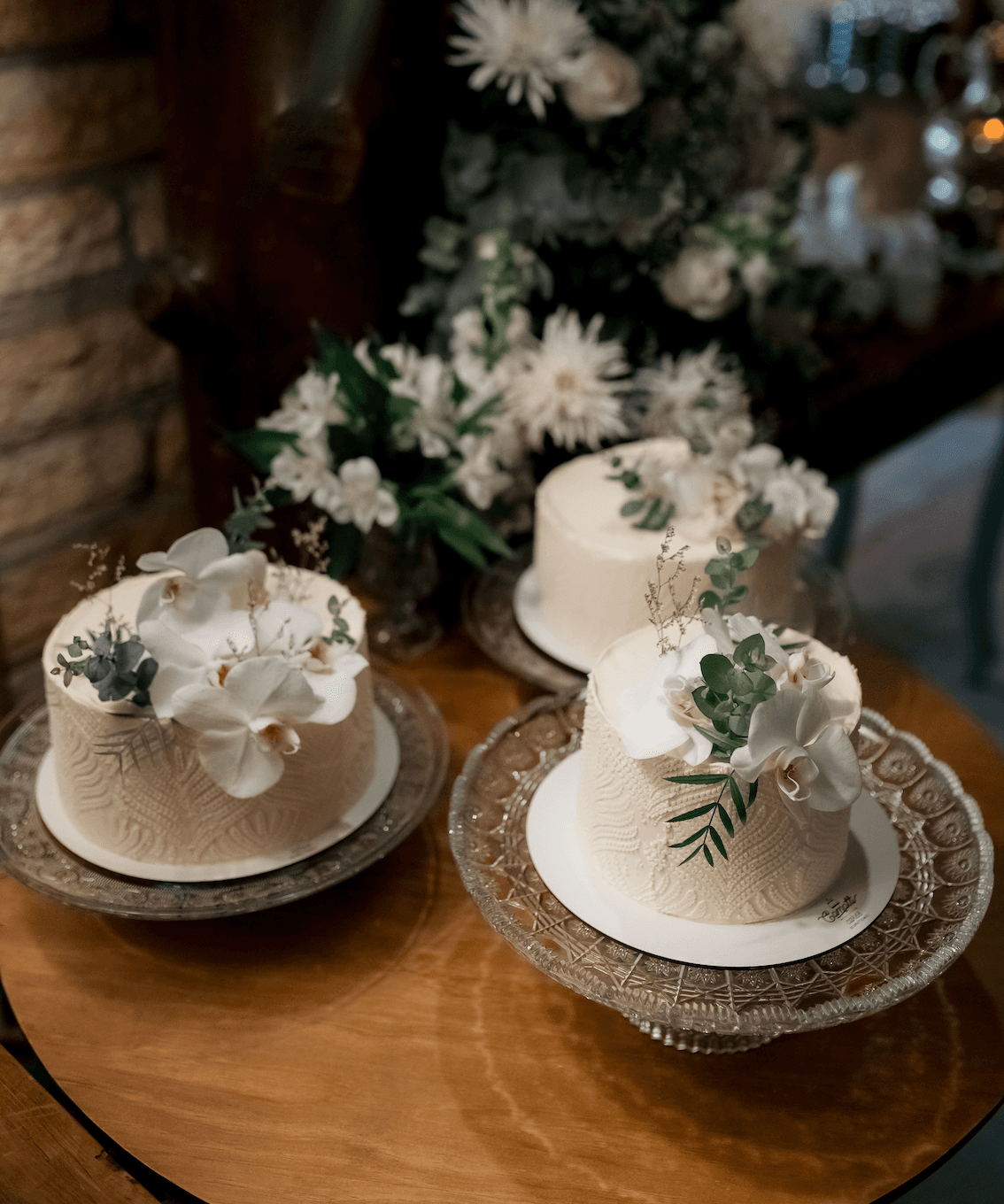
How much whipped cream do you need for a cake — a diameter guide
A rough amount of whipped cream by cake diameter (18-30 cm), for filling and decorating separately — so you don’t buy too much or too little.